

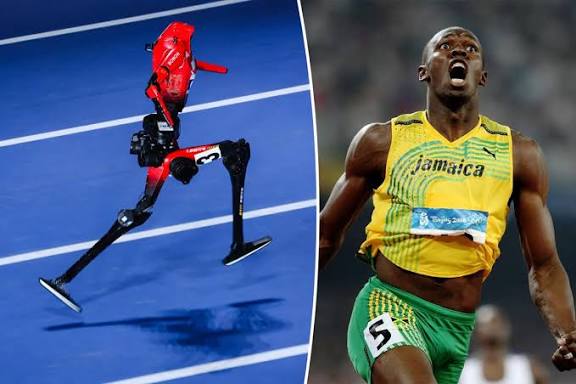
Humanoid machines are becoming faster than humans, but businesses need more than viral demonstrations.
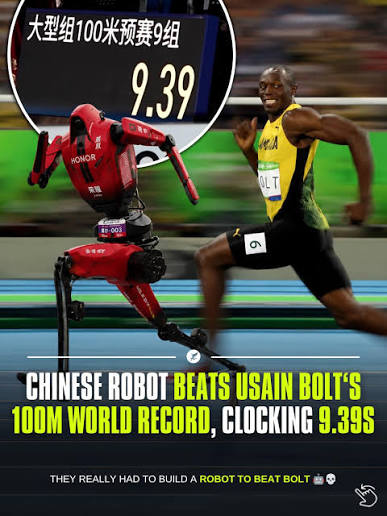
Humanoid robots competing at the World Humanoid Robot Games in Beijing have officially moved faster over 100 metres than the human world record of 9.58 seconds set by Usain Bolt.
One robot completed the distance in approximately 9.39 seconds, while another recorded about 9.47 seconds. The event brought together more than 2,000 robots from hundreds of teams across 16 countries.
The sprint attracted global attention, but the most important competitions may be the less glamorous ones. Robots are also being tested on electric-vehicle charging, restaurant service, factory loading, cable connection, object handling, and other activities requiring precision and autonomous decision-making. More than 40% of the events reportedly require full autonomy.
Speed makes a strong viral video. Reliability, however, creates a business model.
The robotics companies that win commercially will be those whose machines can work safely, recover from mistakes, adapt to imperfect environments, and complete repetitive tasks without constant human control.
MAGZ20 Take: Beating a human athlete creates attention. Successfully completing an eight-hour working shift creates an industry.
Social caption:
Robots can now beat the fastest human over 100 metres. But can they plug in a cable, serve a customer, and finish a full working day without crashing?








Leave a Reply