

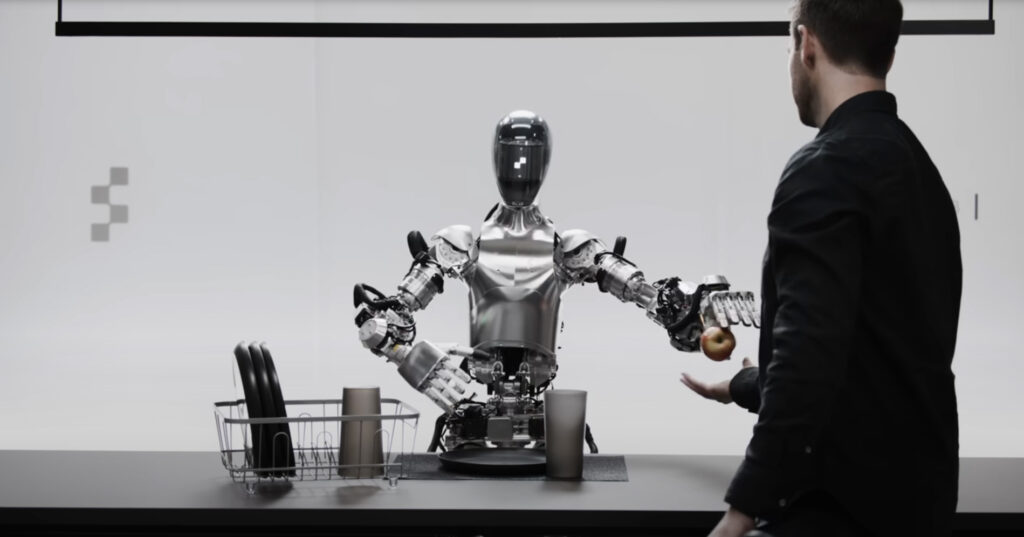
For years, humanoid robots looked impressive on stage but struggled to deliver real value inside businesses. They could dance, wave, carry boxes, and create viral videos—but they were still far from becoming reliable workers.
That may finally be changing.
Chinese electric-vehicle company XPeng announced that its robotics division raised more than US$900 million in its first external funding round. The deal values the division at more than US$6.3 billion, making it the largest single private financing round recorded in China’s embodied-AI sector. The round was led by IDG Capital and supported by major technology investors including Tencent and Alibaba.
XPeng plans to use the money to improve robotics hardware, physical-AI models, data collection, manufacturing, and global expansion. The company is targeting monthly production of 1,000 units of its IRON humanoid robot by the end of 2026. Initial deployments are expected inside XPeng retail locations and industrial campuses, with broader commercial sales planned for 2027.
The bigger story is not one robot or one investment round. It is the rapid rise of physical AI—artificial intelligence that can see, understand, move through, and interact with the real world.
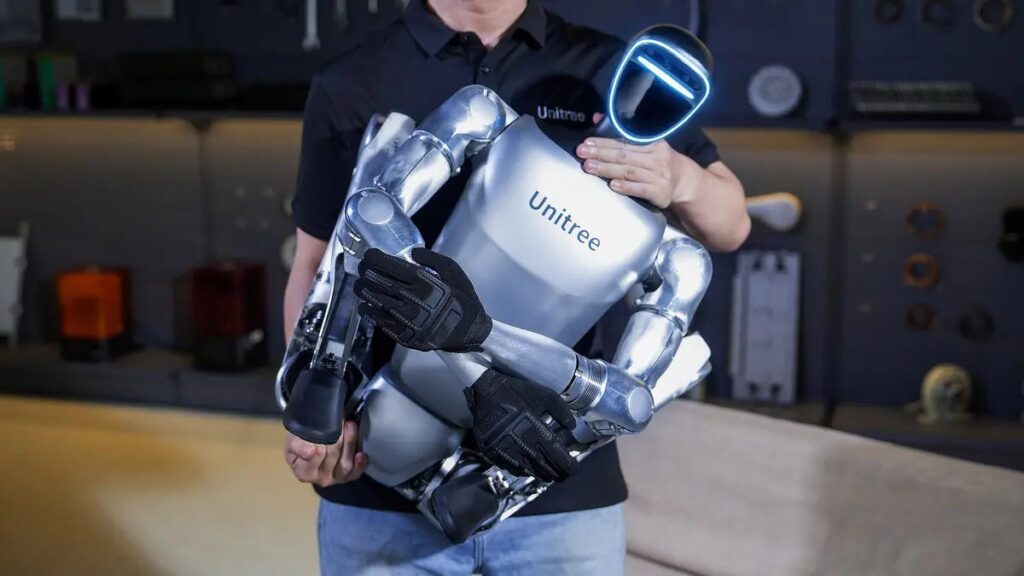
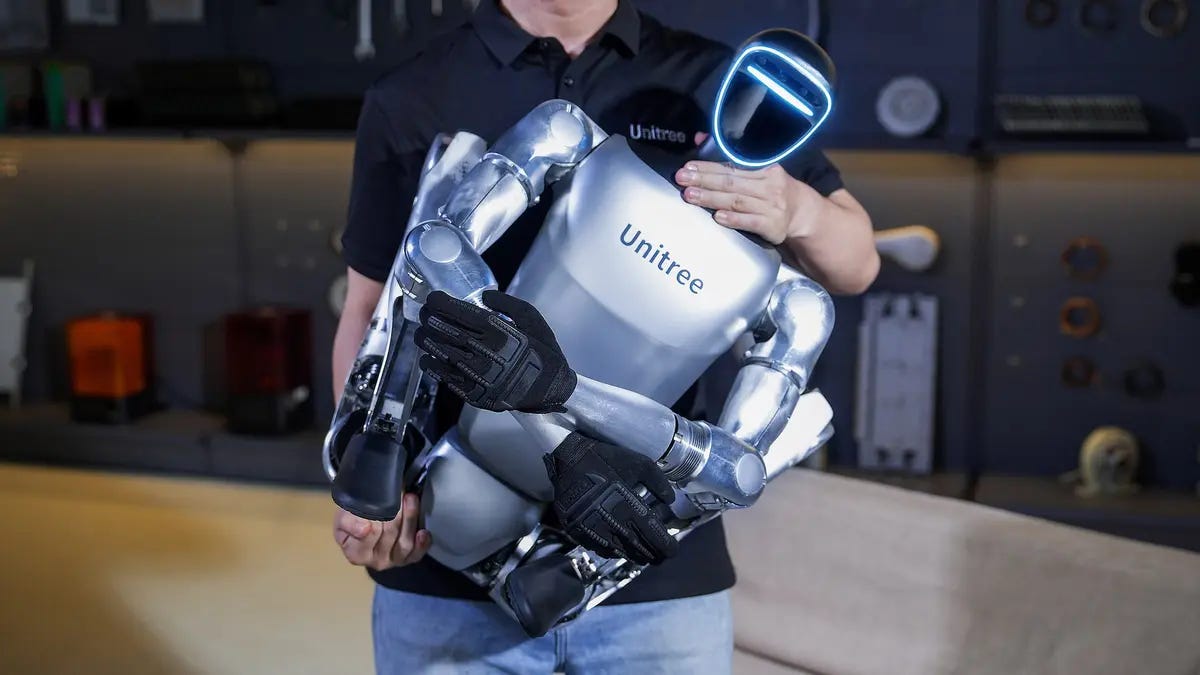
Unitree CEO Wang Xingxing recently described the industry as moving toward a “ChatGPT moment.” In his vision, a robot could eventually enter an unfamiliar home or workplace, receive simple instructions through voice or text, and complete most tasks without being programmed for every movement. However, he also warned that a major software breakthrough could still be several years away.
China is already building a commanding position. An industry report cited by Reuters said Chinese companies delivered more than 40,000 humanoid robots during the first half of 2026 and represented 97% of global shipments. Yet current humanoid robots remain less efficient than people in many practical situations, especially when environments are unpredictable.
That gap between excitement and reality is where the biggest business opportunity sits.
The winning robot may not be the machine that looks most human. It will be the one that can work safely for long hours, understand instructions, recover from mistakes, and deliver a clear return on investment.
For Thailand and Southeast Asia, the first serious opportunities could appear in factories, warehouses, retail stores, hospitals, hotels, airports, and dangerous industrial environments. The region does not necessarily need to build every robot itself. Local businesses can create value through software integration, maintenance, training data, cybersecurity, customer support, and industry-specific solutions.
The robot revolution will probably not arrive in one dramatic moment. It will arrive quietly—one warehouse, shop, factory, and hotel at a time.
And once businesses discover that a robot can perform useful work at a reasonable cost, adoption could move extremely fast.





Leave a Reply