
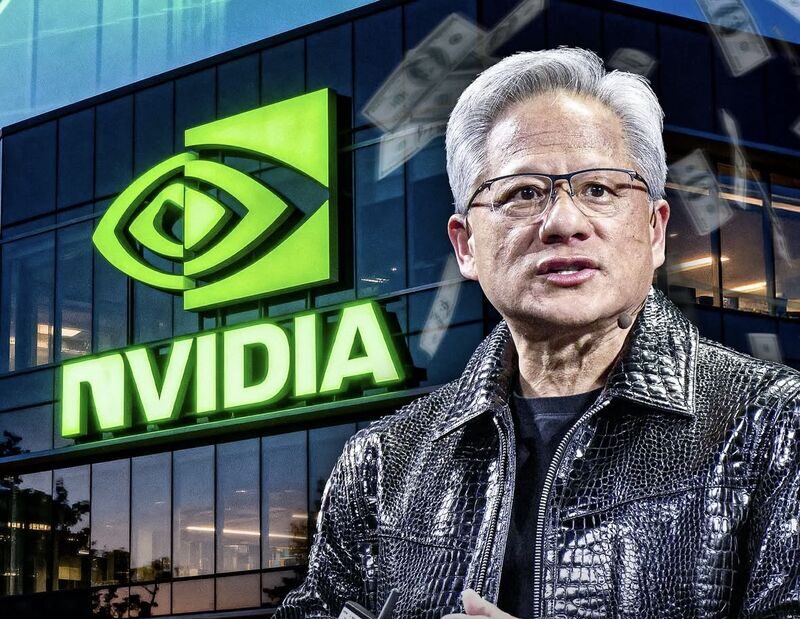
Nvidia is no longer just reporting earnings. It is reporting on the health of the entire AI economy. With a market value of roughly US$5 trillion, one announcement could move hundreds of billions of dollars—and reshape investor confidence in AI.
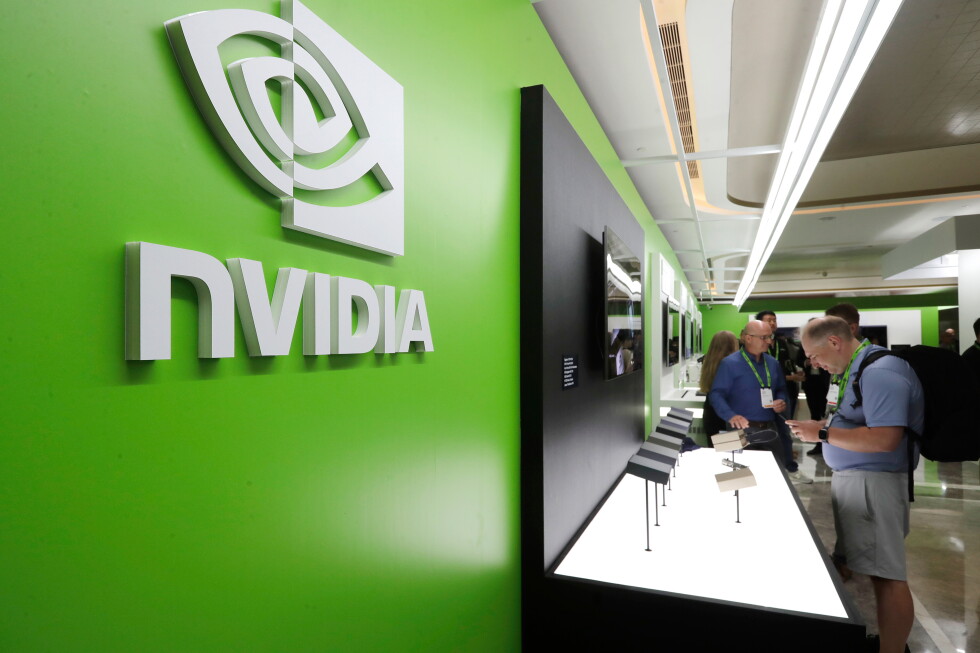
The world’s most valuable AI-chip company is about to face one of the biggest tests of the technology investment cycle.
The global AI market is waiting for Nvidia.
The chipmaker is scheduled to announce its second-quarter fiscal 2027 results on 26 August at 2 p.m. Pacific Time, and investors are treating the report as far more than another corporate earnings announcement. Nvidia has become a global indicator of whether the enormous amount of money flowing into artificial intelligence is producing sustainable growth.
Nvidia shares were trading around US$208 on Tuesday, giving the company a market value of approximately US$5.1 trillion. Options markets suggest the earnings announcement could create a movement of around US$280 billion in Nvidia’s valuation in either direction—an amount larger than the entire market value of many multinational corporations.

That is how powerful Nvidia has become.
The expectations are massive
Nvidia reported record first-quarter revenue of US$81.6 billion, an increase of 85% from the previous year. Its data-centre business generated US$75.2 billion, showing how deeply the global AI infrastructure boom depends on Nvidia’s chips, networking systems and computing platforms.
For the upcoming quarter, analysts expect revenue of approximately US$92.2 billion, almost double the figure from the same period last year. Investors will also be looking for updates on Nvidia’s next-generation Vera Rubin platform, which is expected to become an important driver of future data-centre growth.
However, the market is no longer satisfied with growth alone.
Investors want evidence that AI companies, cloud providers and data-centre operators can earn enough money to justify the extraordinary cost of building AI infrastructure.
This is where Nvidia’s earnings become a referendum on the entire AI economy.
From AI excitement to AI accountability
The first stage of the AI boom was driven by possibility. Companies invested because they feared being left behind.
The next stage will be driven by results.

Can AI agents reduce operating costs? Can enterprise automation increase revenue? Can businesses turn experimental AI projects into reliable products? Can data centres generate sufficient returns to cover the billions being spent on chips, energy and infrastructure?
These questions are becoming more urgent as Nvidia plays a growing role not only as a technology supplier, but also in helping finance the AI ecosystem around its customers. That strategy may accelerate adoption, but it is also attracting scrutiny over whether some demand is being supported by complex financing arrangements rather than purely by profitable customer growth.
Why entrepreneurs should pay attention
For startups and SMEs, the Nvidia results will not determine whether AI disappears. AI is already moving into customer service, sales, administration, cybersecurity, logistics, content and business operations.
What the results may determine is how aggressively investors continue funding the sector—and which types of AI businesses receive that capital.
The market is beginning to separate AI companies with real customers and measurable revenue from those built mainly around hype.
That shift is healthy.
The winners of the next AI era may not be the companies producing the loudest announcements. They will be the businesses that demonstrate clear economics: lower costs, faster delivery, better customer service and recurring revenue.
Nvidia’s report may move the stock market this week. But the deeper message for entrepreneurs is simple:
The AI boom is entering its proof-of-performance era.
#Nvidia #ArtificialIntelligence #AITechnology #TechInvestment #FutureOfBusiness #MAGZ20








Leave a Reply